Extreme E: Has the all-electric racing series effected change in first season?
The impact on female participation is real, then, but how long will that take to reach the Formula 1 grid remains to be seen.
The reach of Extreme E is considered by its leaders to be around 100 million for a TV audience – an impressive number for a sport in its infancy, but dwarfed by that of F1, which in 2019 claimed to be 1.9 billion.
Motorsport’s biggest influencer has come under fire for its approach to climate change, but has its own targets, with a net carbon zero footprint set for 2030. F1 currently creates around 250,000 tonnes of carbon across a significantly longer, 20+ race season.
Around a third of all carbon emissions are down to humanity’s need to move around, so convincing an audience known as ‘petrolheads’ still has its challenges.
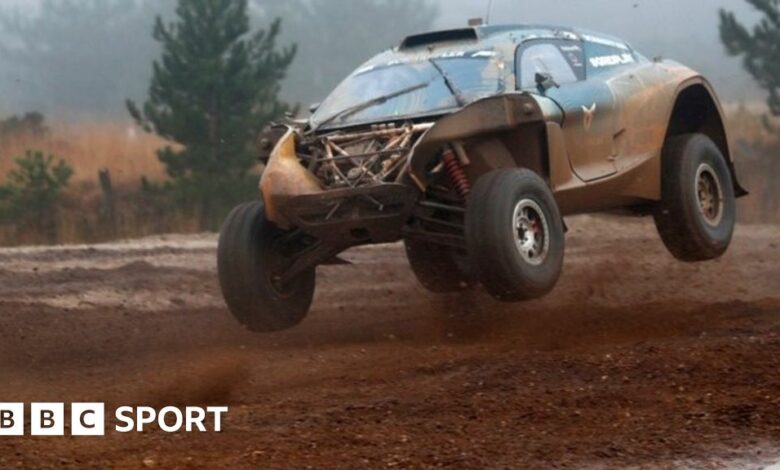
Extreme E’s Odyssey 21 vehicle kicks 400Kw of power and has an impressively seamless distribution of 550bhp.
They, and similar production versions, will be a desirable status symbol which removes the gas-guzzling tag of the much-maligned Chelsea tractor at the school gates.
And last September, according to the Society of Motor Manufacturers and Traders, more new electric cars were sold than across the whole of 2019.
But other racing series, such as F1, believe battery technology has its own environmental problems – such as the sourcing of cobalt and lithium – and that alternatives including sustainable fuels are just as valid.
“We need every tool in our arsenal – electric is part of the solution but not the full solution,” says Agag. “But we cannot use sustainable fuels as an excuse not to go electric.
“We are here for the long term. Next year we are talking with different oil companies about becoming our carbon capture partner.
“Carbon capture is going to be very necessary – without removing carbon from the atmosphere we will not achieve the targets which are in the Paris Agreement.”, external
After around 100 years, the principle of motorsport to “win on Sunday and sell on Monday” remains key.
The race for change, though, has only just begun.
Source link