Disabled women call for greater access to toilets
 Bristol Women’s Voice
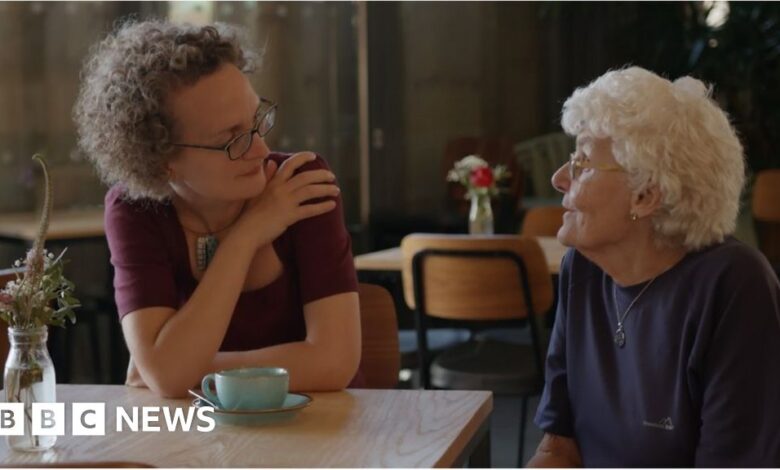
Disabled women in Bristol are stepping up their campaign for better access to public toilets.
So far 156 businesses have signed up, but the charity claimed staff only allow customers to use their toilets.
A new film aims to increase awareness and help individual venues understand the challenges faced by disabled women.

 Bristol Women’s Voice
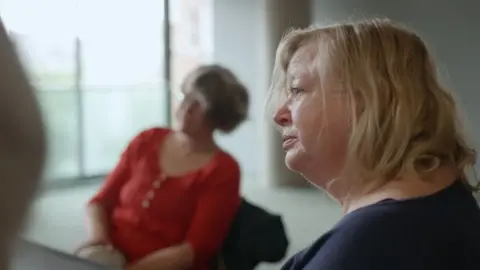
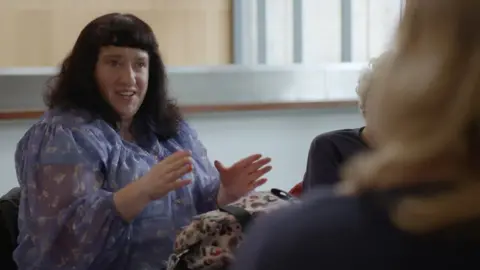
Fiona, a member of the DWTA said: “In Bristol, there are not that many toilets that I know about. So if I go shopping, and I’m walking with a stroller and the toilet is a long way away, it’s really difficult to make it.”
Debbie, who has a long-term stomach illness leading her to urgently need the toilet when she has episodes, said: “I would plan going out depending on how near the public toilets are.”
 Bristol Women’s Voice
‘Financial burden’
Businesses and organisations such as bars, restaurants, and cafes open their toilet facilities to members of the public when needed, without them having to purchase anything.
Research has found 56% of the public deliberately dehydrate themselves over concerns about access to public toilets. This is more pronounced for women.
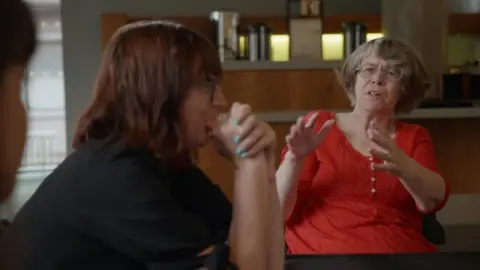
Helen Ince, co-project lead at Bristol Women’s Voice, a charity under the DWTA umbrella, said: “We know women take 2.3 times longer than men, on average, in the toilet for reasons related to menstruation, pregnancy, and clothing.
“There is also a financial burden when we cannot access free toilets.
“Having to spend £3 on a cup of tea or coffee whenever we want to use the bathroom becomes extortionate as well as perpetuating the cycle of needing a bathroom,” she said.
 Bristol Women’s Voice
DWTA said it would like to see the scheme better promoted through street signs, window displays, and sources of funding explored to support participating venues in maintaining the facilities.

Source link