Emerging musicians speak out about misogyny in the industry
 Shordi.png
Musicians from Brighton have spoken about their experiences of misogyny in the music industry.
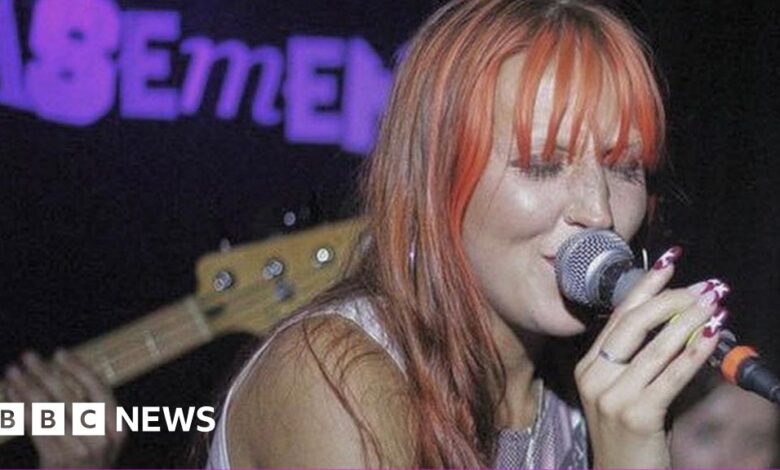
PEACH, an emerging artist from the city, said misogyny was “alive and well” but often “unconscious”.
A government spokesperson said women should be able to work “free from misogyny and discrimination.”
“The industry must do all it can to ensure there is a supportive and safe working environment and to address any imbalances of power that exist,” the spokesperson added.
‘I’ve been doubted’
Musician BabyEleanor, from Brighton, recalled a gig when a man was “talking in full volume the whole way through” her set but “didn’t make a peep” when the male musicians were on stage.
“In our minds we play it down”, BabyEleanor said, “but it’s an act of misogyny”.
Artist SHOSH, who lived in Brighton for around eight years and runs a female-led music label in London, said women worked harder than their male counter-parts and often received less favourable slots when booked for gigs.
“The knock on effect is that we get smaller production and we have smaller crowds so our social media doesn’t look as lit,” SHOSH explained.

 Shoshanah Albrecht
The WEC committee report said female artists are routinely undervalued and undermined.
MP Caroline Nokes, chair of the WEC, said: “Women’s creative and career potential should not have limits placed upon it by endemic misogyny.”
A government spokesperson said: “The government will carefully consider the Committee’s recommendations, and it is right that the industry is taking action.”
‘Systemic change’
SHOSH said that for meaningful change to continue there had to be “a systemic change that comes from the industry”.
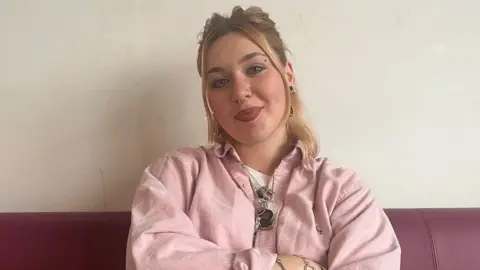 Sam Dixon-French
Sophie Jones, chief strategy officer for the British Phonographic Industry who run the Brits, said there were some “really important shifts” taking place “behind the scenes”.
“We’re seeing more women as role models in executive positions in music companies,” she explained.
Ms Jones added: “At the industry level, we’re working really hard to provide more information, more awareness about where you can get help if you need it but also to tackle the problems in the first place.”

Source link